Newsletters

February 2026

Consultation on Council Reorganisation

A consultation period run by the government about local government reorganisation in Oxfordshire has now begun. Running until Thursday 26 March, it's your chance to have your say on the three proposals for the county.

Oxfordshire County Council proposal for a single, unitary authority and that is one of the three proposals.

They believe that by reducing duplication and bringing services together, a single, new council will save over £63 million every year. They would reinvest the money into better roads, strong social care, support for families and vibrant local communities.

You can find out more about this proposal and comment here.

Join us for OxClean on 7th March

OxClean: an opportunity to spruce up our environment

Every March, WMRA participates in the annual OxClean event. This an Oxford Civic Society initiative dedicated to keeping Oxford clean and tidy, ensuring that Oxford is a welcoming and pleasant place. It is run in partnership with Oxford City Council and It offers a chance for everyone to help tidy up our joint living space.

This year WMRA has chosen to have our clean up on March 7th, from 10am - 1pm, with participants asked to volunteer for an hour within this window.

All the necessary high viz clothing, litter-pickers, sacks for recyclable and non-recyclable waste will be provided. We ask volunteers to clean a small area in the neighbourhood: a length of street, a public space, or a litter hotspot.

For many years the then WMRA secretary, Mary Pegler, ran the event from outside her house. This year, a new Manager will be in charge: Laura Heybrook, the WMRA Committee member for ‘green spaces’ who lives at 20 Kingston Road.

We are inviting all readers to join in. Please take this chance to show your support for our community. And if you have knowledge of special areas needing attention, please let us know in advance, at waltonmanorra@gmail.com


The Vanishing Light - Why we must dim the glow

By local resident and committee member, Helena Webster

A resident’s dismay at seeing very bright LED security lights left on all night on the backs of some houses in our area prompted me to write a small piece on the topic of light pollution.


We can spare
The splendour of your lamps, they but eclipse
Our softer satellite.

Book One, The Task (1785), William Cowper


According to the Campaign to Protect Rural England’s 'star count' data, only five percent of people in the UK can experience the wonder of a truly dark sky, with over half the population experiencing severe light pollution. While glowing skylines once symbolised progress, they are now recognised as detrimental to our health and environment.

It is now recognised that constant exposure to artificial light at night can suppress our levels of melatonin, the hormone that signals your body it is time to sleep

The health of our wildlife is also suffering from the negative effects of light pollution. Disoriented birds collide with illuminated buildings, while nocturnal pollinators like moths are drawn away from plants, threatening the nation's food security.

There is also an economic cost associated with keeping our cities lit 24 hours a day. Oxfordshire County Council currently spends £4.9 million on street lighting, which accounts for approximately 30% of their overallcarbon emissions.

Lastly, light pollution reduces the pleasure that we all feel when gazing up at a star-filled sky.

What can we do to reduce light pollution in our neighbourhood? Luckily there are a few relatively simple practical measures that we can take to reduce light pollution:

1. Install outdoor lighting units designed to emit zero light above the horizontal plane: These DarkSky International compliant fixtures significantly reduce energy consumption, light pollution, glare and light trespass.

2. Switch to Warm-Toned Bulbs: Use LEDs with a colour temperature of 3000 Kelvins or less. Warmer, amber-toned lights are far less disruptive to wildlife and human sleep than harsh blue-white lights.

3. Use Motion Sensors: Instead of keeping porch lights on all night, install passive infra-red (PIR) sensors. This ensures light is only present when needed for security.

4. Lower the Wattage: Domestic security lights often only need a 150W lamp, while porch lights can operate effectively on just 9W, reducing glare and energy bills.

5. Close the Curtains: Indoor light escaping through windows contributes significantly to city "skyglow." Simply drawing blinds at sunset keeps artificial light contained where it belongs.

By following a few simple measures, such as those above, we can help to dim the urban glow and at the same time save energy, improve our sleep, protect disoriented wildlife, and enjoy the night sky.

Next 'Meet Your Neighbours' event: 4th March


Please do join us for our next Meet Your Neighbours event on:
Wednesday 4th March 2026
From 5.30pm
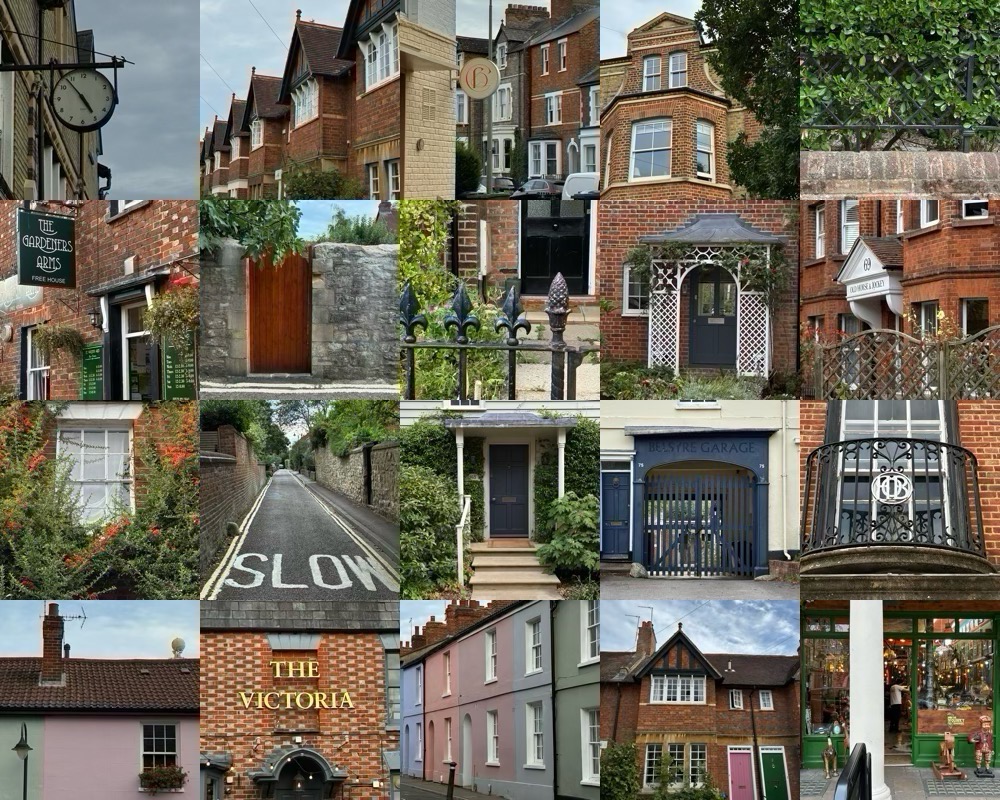
At the Gardeners Arms, Plantation Rd.


Best wishes
The WMRA Committee

Posted - February 07, 2026

=============================================

Other recent newsletters

December 2025

November 2025

Late October 2025

October 2025

Late Sept 2025

September 2025

August 2025

July 2025

mid June

June 2025

May 2025

Late March 2025

March 2025

OxClean 2025

February 2025

Christmas 2024

Dec 2024

AGM 2024

mid Nov 2024

Nov 2024

October 2024

late Sept 2024

Sept 2024

August 2024

July 2024

June 2024

May 2024

April 2024

Easter 2024

Mar 2024

Feb 2024

Jan 2024

Dec 2023

Nov 2023

Oct 2023

Sept 2023

July 2023

June 2023